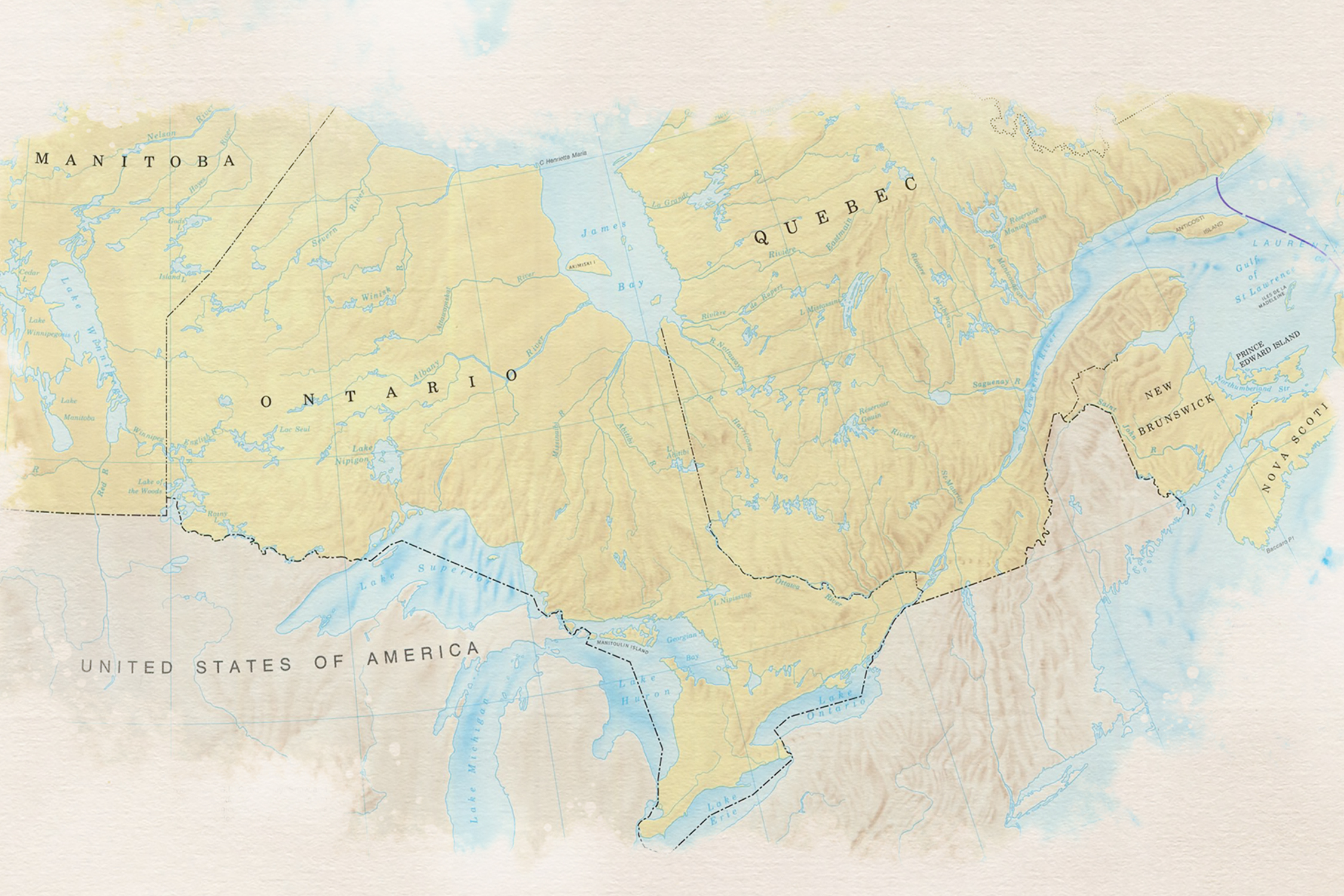
The Ontario Parks system stretches over 125 years. It began in 1893 with the creation of Algonquin Provincial Park. In 1954 the management and creation of provincial parks came under the Department of Lands and Forests. There are now 330 provincial parks comprising 8% of Ontario's landmass which is an area larger (over 82,000 km2) than the Provinces of Nova Scotia and PEI combined.
ONTARIO PARKS
ONTARIO PARKS



ONTARIO PARKS
Ontario Provincial Parks History and Organization
Ontario Parks preserves the province’s natural beauty, offering protected spaces for recreation, conservation, and cultural heritage. Discover the history and evolution of Ontario’s park system
1893
1894
1921
1957
1967
Algonquin Park
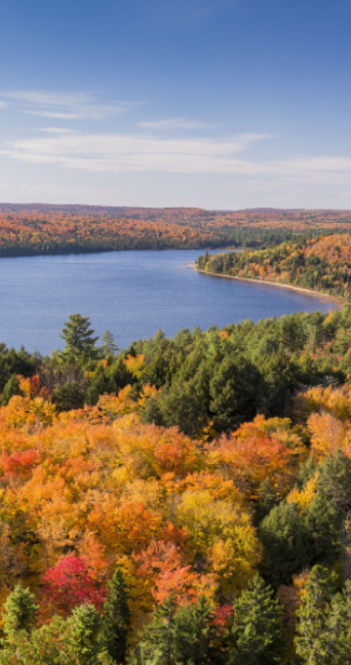
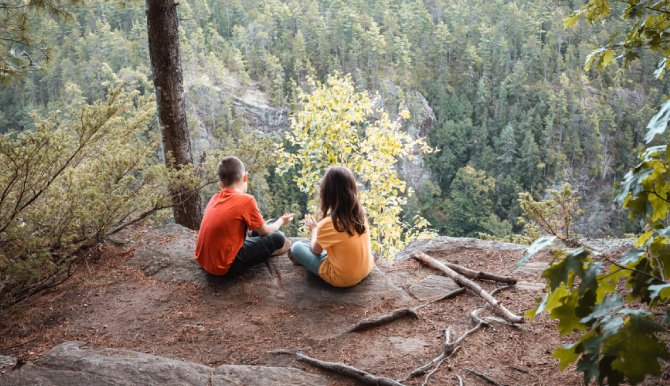
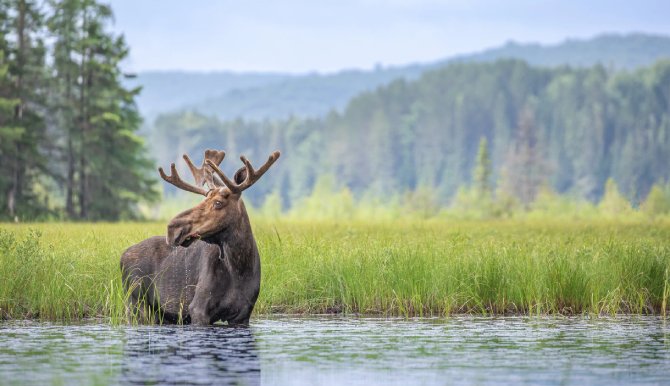
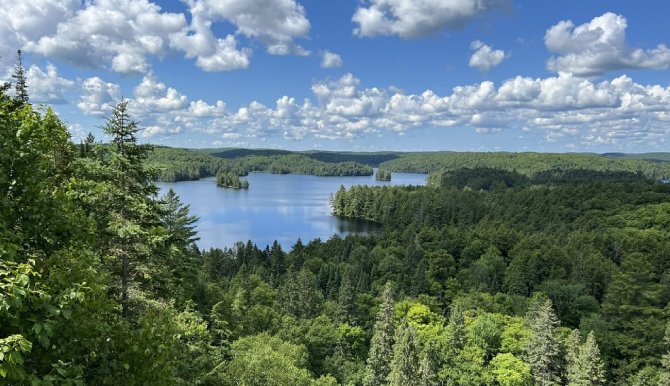
In 1893, Ontario created Algonquin Park, the province’s first protected park. Its goal was to protect forests and wildlife, while also giving people a place to hike and camp. This marked the true beginning of Ontario’s protected park system.
Heritage Highlight
Ontario’s first park blending conservation with outdoor recreation.
Rondeau Park
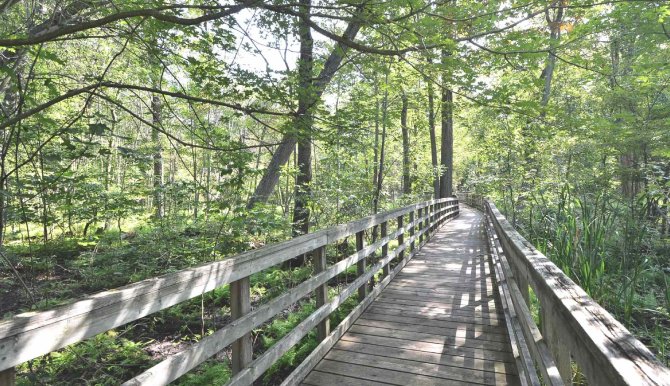
Just a year later, Rondeau Park was established along Lake Erie. It was created to protect the rare Carolinian forest and wetlands while giving visitors a chance to enjoy sandy beaches, birdwatching, and peaceful shoreline trails.
Heritage Highlight
Protecting southern Ontario’s forests while welcoming eager visitors.
Quetico Park
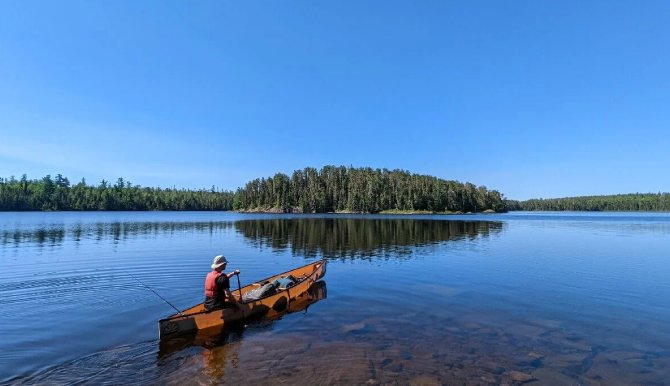
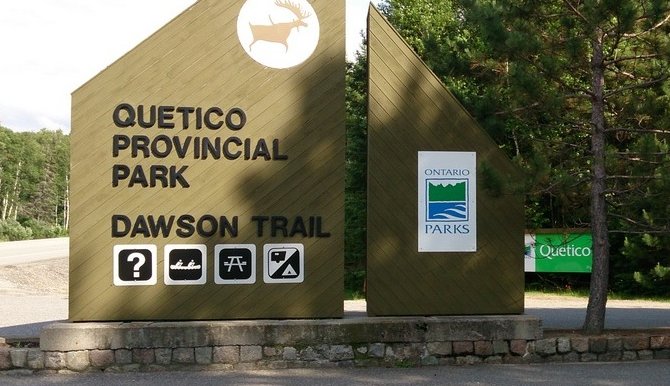
In 1921, Quetico Park was officially opened as a wilderness destination. Known for its vast lakes and portage routes, it became a haven for canoe trippers and explorers, preserving an authentic northern wilderness experience.
Heritage Highlight
Remote wilderness preserved for paddlers, campers, and explorers.
Killbear Park
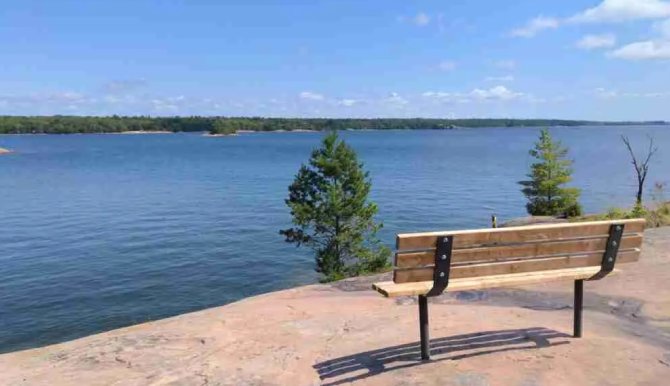
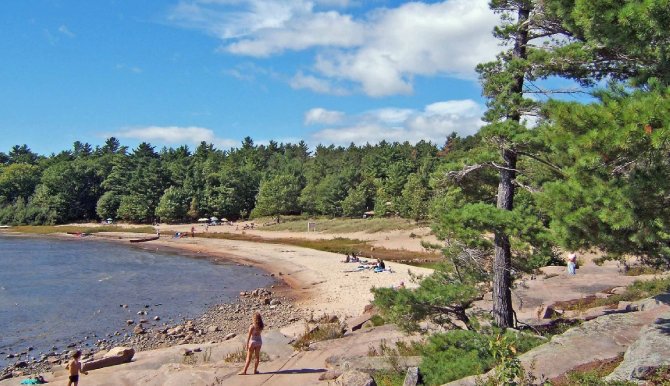
By 1957, Killbear Park opened on Georgian Bay, blending recreation with conservation. Families flocked to its beaches, campgrounds, and windswept pines, making it one of the most popular spots for outdoor adventures.
Heritage Highlight
Georgian Bay’s rugged shores opened for family camping.
Bon Echo Park
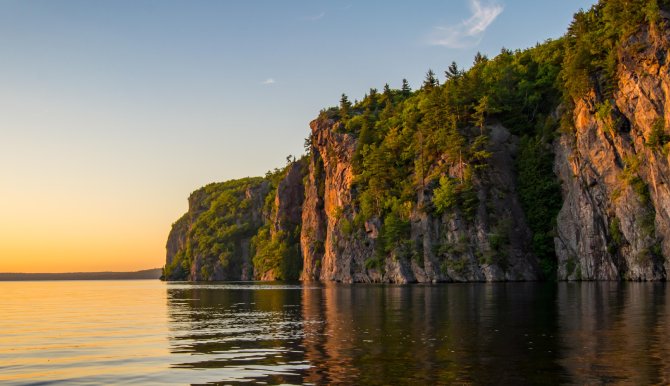
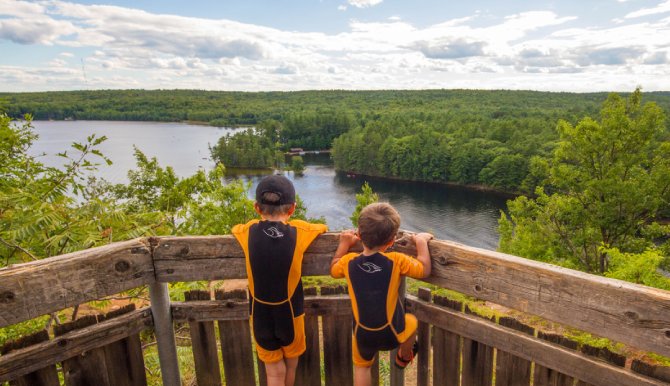
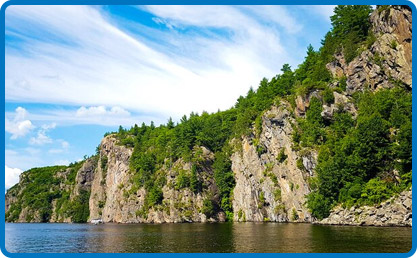
In 1967, Bon Echo Park grew to include Mazinaw Rock, home to ancient Indigenous pictographs. Visitors came for both natural wonders and cultural heritage, combining history, hiking, and scenic camping.
Heritage Highlight
Celebrating culture and nature through history and landscapes.
Touch on the year buttons
ONTARIO PARKS
Visitor Information, Park Activities and Classifications
Everything you need to enjoy your visit—from park hours and directions to activities and park types designed for different outdoor experiences
Visitor Information
Park Activities
Park Classification

Park Hours & Seasons: General operating hours, specific dates for seasonal parks, and off-season access details.
Directions & Parking: How to get to the park (major highways, nearest towns), and information on parking fees and locations.
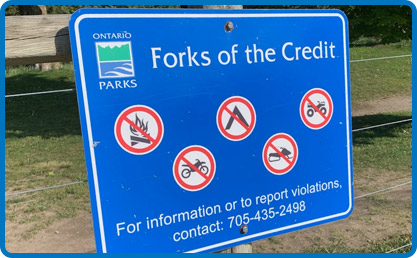
Park Rules & Regulations: Information on fires, pets, quiet hours, waste disposal, and other important guidelines.
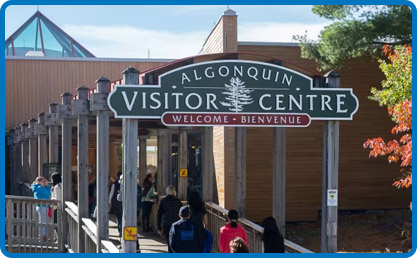
Camping: Types of campsites (tent, RV, backcountry), booking information, and available amenities at campgrounds.
Hiking & Biking: Trail names, difficulty levels, lengths, and specific rules for bikes (e.g., designated trails).
Water Activities: Canoeing, kayaking, swimming (designated beaches), fishing regulations, and boat rentals.


Dark Sky Preserves: Parks officially recognized for exceptional stargazing opportunities, free from light pollution.
Paddle Paradise: Parks specifically designed for multi-day canoe/kayak trips with extensive inter-connected waterways.
Barrier-Free Escapes : Parks with extensive, well-maintained accessible facilities, trails, and view-points for all abilities.
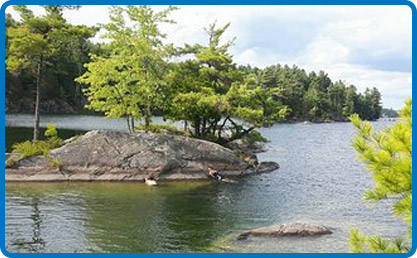
Touch on the tab buttons
ONTARIO PARKS
North America’s Boreal Forest Songbird Nursery
Ontario’s boreal forests serve as a vital nursery for North America’s songbirds, providing rich habitats where millions of birds breed, nest, and thrive each year
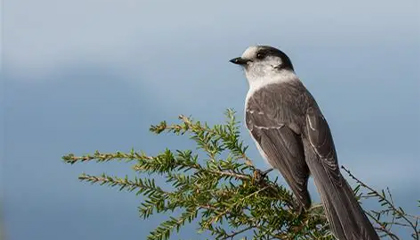
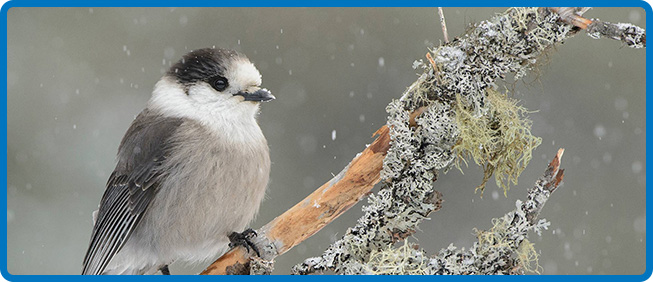
Gray Jay (Canada Jay)

Habitat: Found in boreal conifer forests, especially spruce and fir stands across Canada.

Season: Year-round resident, nests very early in spring despite cold northern climate.

Song Style: Gentle whistles and quiet calls, often friendly and curious toward humans.

Diet: Omnivorous diet insects, small mammals, berries, and even human food scraps.
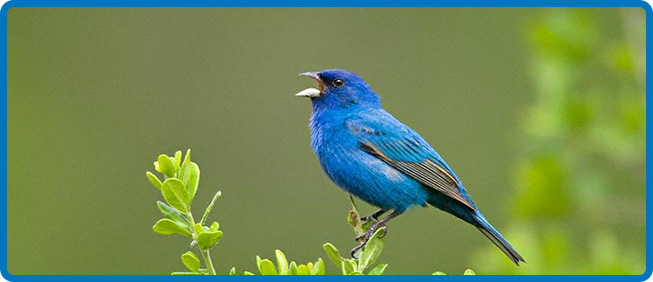
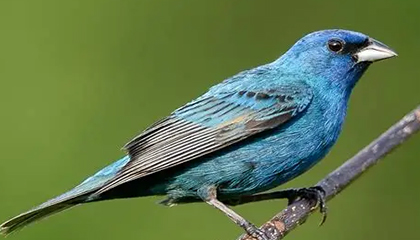
Indigo Bunting
Habitat: Open woodland edges, brushy fields, and clearings with scattered tall shrubs.
Season: Breeds actively from May to August, winters in Central and South America.
Song Style: Bright double-notes, sung in quick succession, giving an energetic sound.
Diet: Feeds on seeds, berries, and insects, depending on seasonal availability and habitat.
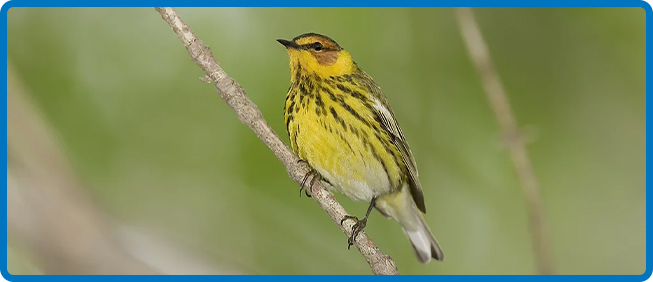
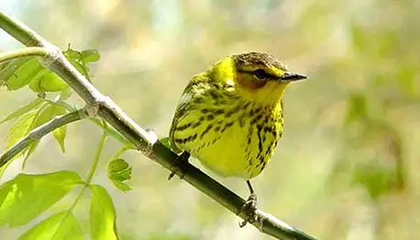
Cape May Warbler
Habitat: Prefers dense spruce-fir forests, especially near open clearings and forest edges.
Season: Summer breeder from May to August, migrates southward during colder months.
Song Style: Rapid, high-pitched “tsi tsi tsi” notes, repeated quickly in short bursts.
Diet: Mainly insects like caterpillars, beetles, and occasional small berries for energy.
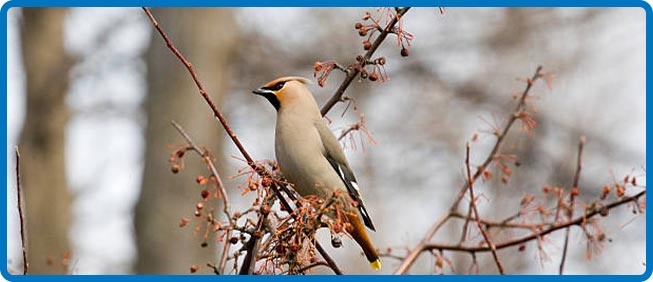
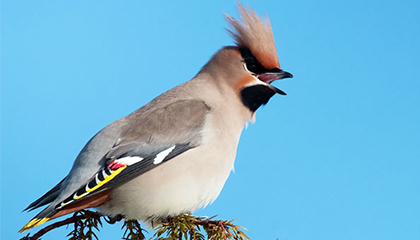
Bohemian Waxwing
Habitat: Northern boreal forests, often near berry-rich shrubs and open woodland edges.
Season: Breeds in summer far north, winters farther south in large roaming flocks.
Song Style: Soft, high-pitched trills and buzzy calls, often shared within the groups.
Diet: Eats berries, seeds, and insects; heavily relies on winter fruit sources for energy.
Touch on bird images